






The Impact of Automation on Jobs and Productivity in 2025
Automation is no longer a distant possibility—it is a reality reshaping industries and workplaces worldwide. By 2025, automation powered by Artificial Intelligence (AI), robotics, and advanced software is transforming how businesses operate, increasing efficiency while simultaneously changing the landscape of employment. Understanding the impact of automation on jobs and productivity is crucial for employees, businesses, and policymakers alike.
How Automation is Changing Work
Automation refers to using technology to perform tasks that were previously done by humans. This includes:
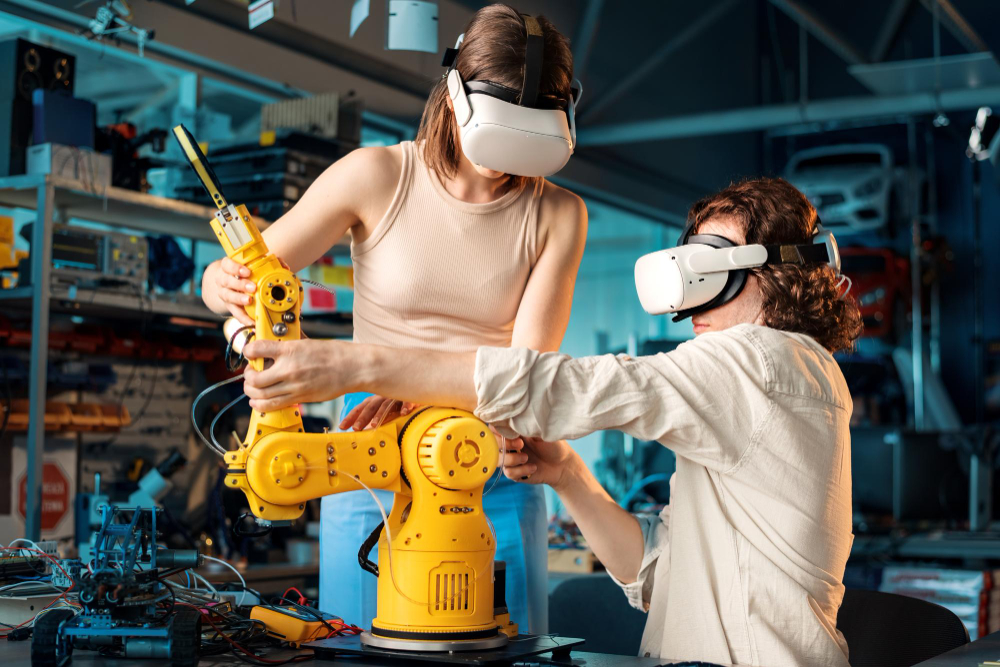
- Robotics: Automating physical tasks in manufacturing and logistics
- AI-Powered Software: Handling repetitive tasks such as data entry, analysis, and customer support
- Machine Learning and Predictive Systems: Optimizing operations, forecasting demand, and improving decision-making
By taking over repetitive and time-consuming tasks, automation allows human workers to focus on higher-value, creative, and strategic work.
The Positive Effects on Productivity
- Increased Efficiency: Automation reduces manual errors and speeds up processes. Tasks that once took hours can now be completed in minutes.
- 24/7 Operations: AI and machines don’t require breaks, enabling continuous operations and faster turnaround times.
- Data-Driven Decisions: Automated systems analyze large datasets to identify trends and optimize workflows.
- Cost Savings: Reducing human error and labor-intensive tasks lowers operational costs.
- Innovation Acceleration: With routine tasks automated, employees can focus on innovation and problem-solving.
For businesses, these benefits translate to higher productivity, better quality, and more competitive operations.
The Impact on Jobs
While automation boosts productivity, it also changes the employment landscape:
- Job Displacement: Routine and repetitive roles, such as data entry clerks or assembly line workers, may decline.
- Job Transformation: Many roles evolve to include oversight of automated systems, AI management, and strategic decision-making.
- New Opportunities: Automation creates new roles in AI development, robotics maintenance, data analysis, and cybersecurity.
The key takeaway is that automation doesn’t necessarily eliminate jobs—it redefines them, requiring workers to adapt to new skills.
Industries Most Affected by Automation
1. Manufacturing
Robots are taking over repetitive assembly tasks, while AI predicts maintenance needs and optimizes production lines.
Impact: Higher efficiency, reduced costs, and increased precision, but fewer manual labor jobs.
2. Retail and E-Commerce
Automated warehouses, chatbots, and AI-driven inventory management are reshaping retail operations.
Impact: Faster order fulfillment, improved customer service, and evolving roles for warehouse and logistics staff.
3. Finance and Banking
AI is automating tasks like fraud detection, transaction processing, and credit risk assessment.
Impact: Greater efficiency and accuracy, while financial analysts and auditors focus on strategic insights.
4. Healthcare
Automation assists with patient data management, diagnostics, and robotic surgeries.
Impact: Improved patient outcomes and operational efficiency, with healthcare professionals shifting to oversight and personalized care.
5. Transportation and Logistics
Self-driving vehicles, drones, and automated delivery systems are becoming increasingly viable.
Impact: Faster, safer deliveries, but changes in driving and logistics-related employment.
Balancing Automation with Human Skills
To thrive in an automated workplace, humans must focus on:
- Critical Thinking: Making strategic decisions that machines cannot.
- Creativity: Innovating and designing solutions beyond algorithmic capabilities.
- Emotional Intelligence: Managing interpersonal interactions, customer relations, and leadership.
- Technical Skills: Understanding AI, robotics, and data-driven tools to collaborate effectively with machines.
Investing in upskilling and continuous learning is essential for employees to remain relevant in 2025 and beyond.
5 FAQs About Automation and Jobs
1. Will automation take all jobs away?
No. Automation replaces repetitive tasks but creates new opportunities in technology, management, and creative fields.
2. Which skills are most in demand in an automated workplace?
Critical thinking, creativity, emotional intelligence, and technical skills related to AI, robotics, and data analysis are highly valuable.
3. How can businesses implement automation responsibly?
By balancing efficiency gains with employee training, ethical AI use, and transparency in workforce changes.
4. How does automation impact productivity?
Automation significantly boosts productivity by reducing manual errors, accelerating workflows, and enabling data-driven decision-making.
5. What industries will see the biggest transformation?
Manufacturing, retail, finance, healthcare, and transportation are experiencing the most profound changes due to automation.
Challenges of Automation
While automation offers immense benefits, there are challenges to consider:
- Job Displacement Concerns: Workers in repetitive roles may face career uncertainty.
- Skill Gaps: Employees must continually update skills to remain relevant.
- Implementation Costs: Advanced automation requires investment in technology, infrastructure, and training.
- Ethical and Social Considerations: Businesses must address fairness, transparency, and workforce impacts.
Planning and responsible implementation are key to maximizing benefits while minimizing negative effects.
Conclusion
By 2025, automation will have redefined productivity and the workplace. While it enhances efficiency, reduces costs, and accelerates innovation, it also transforms jobs, demanding new skills and adaptability from the workforce.
The future belongs to businesses and employees that embrace automation responsibly—leveraging technology to complement human intelligence rather than replace it. By fostering a culture of continuous learning, innovation, and collaboration with machines, organizations can unlock the full potential of automation while preparing their workforce for a more productive, creative, and technologically advanced future.