






How Data Science Is Powering the Future of Smart Cities
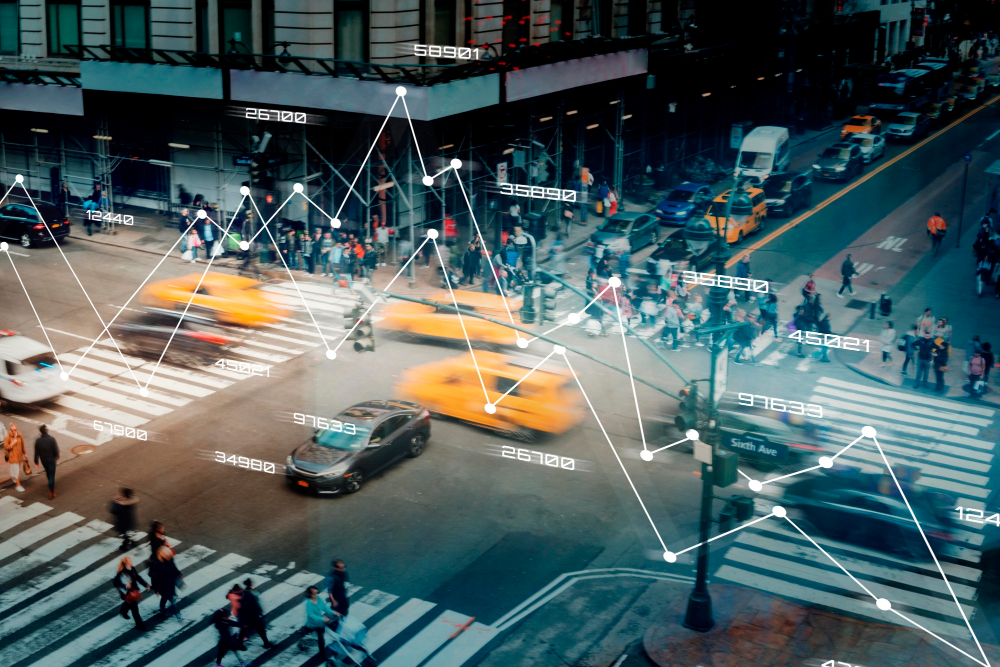
The rise of smart cities is one of the most transformative trends shaping urban living in 2025. At the core of this revolution is data science, a field that converts raw data into actionable insights. By analyzing information from sensors, traffic systems, utilities, and social platforms, data science enables cities to become efficient, sustainable, and citizen-centric. The integration of advanced analytics, machine learning, and predictive modeling is redefining urban infrastructure and services.
Understanding Data Science in Smart Cities
Data science involves collecting, processing, and interpreting massive datasets to extract meaningful patterns and trends. In smart cities, this translates to:
- Optimizing traffic flow and reducing congestion
- Enhancing energy efficiency and resource management
- Improving public safety and emergency response
- Personalizing citizen services and experiences
Through data-driven decision-making, urban planners and governments can anticipate challenges and deploy solutions proactively.
Key Applications of Data Science in Smart Cities
1. Traffic Management and Transportation
- Real-time monitoring: IoT sensors and cameras collect traffic data.
- Predictive analytics: AI models forecast congestion patterns and optimize traffic signals.
- Public transit optimization: Data-driven route planning reduces wait times and fuel consumption.
Impact: Smoother traffic, lower emissions, and improved commuter experience.
2. Energy and Resource Efficiency
- Smart grids: Data science predicts energy demand and balances supply.
- Water management: Sensors detect leaks and optimize distribution.
- Waste management: AI algorithms optimize garbage collection schedules and recycling processes.
Impact: Sustainable resource use, cost savings, and reduced environmental footprint.
3. Public Safety and Security
- Predictive policing: AI models analyze crime patterns to allocate resources efficiently.
- Disaster management: Data analytics anticipate natural disasters and optimize emergency response.
- Surveillance optimization: Smart cameras and sensors detect unusual activity in real-time.
Impact: Safer cities, faster emergency response, and reduced risks to citizens.
4. Healthcare and Public Services
- Predictive health analytics: Monitoring community health trends to prevent outbreaks.
- Resource allocation: Optimizing hospital staffing and emergency response based on demand patterns.
- Citizen engagement: Data science enables apps that guide residents to essential services.
Impact: Improved public health outcomes and more efficient civic services.
5. Urban Planning and Development
- Infrastructure planning: Using data to model population growth, traffic flow, and energy needs.
- Environmental monitoring: Predicting pollution trends and optimizing green spaces.
- Smart zoning: AI recommends areas for residential, commercial, and industrial development.
Impact: Cities that grow intelligently, balancing efficiency, sustainability, and quality of life.
Benefits of Leveraging Data Science for Smart Cities
- Efficiency: Real-time data helps optimize infrastructure and reduce waste.
- Sustainability: Smart management of energy, water, and waste reduces environmental impact.
- Citizen-Centric Services: Personalized solutions improve resident satisfaction.
- Predictive Decision-Making: Anticipating problems rather than reacting to them enhances urban resilience.
- Economic Growth: Data-driven innovation attracts businesses and investments.
Challenges in Implementing Data Science in Smart Cities
- Data Privacy: Collecting large amounts of personal data requires robust protection and compliance with regulations like GDPR.
- Integration Complexity: Combining data from multiple sources (IoT devices, social media, infrastructure) is challenging.
- Infrastructure Costs: Deploying sensors, networks, and AI systems requires significant investment.
- Talent Shortage: Skilled data scientists and AI experts are crucial for implementing and maintaining smart city initiatives.
Addressing these challenges requires strategic planning, ethical governance, and public-private partnerships.
5 FAQs About Data Science in Smart Cities
1. How does data science improve urban traffic?
By analyzing real-time traffic data, predictive algorithms optimize signal timings, reduce congestion, and improve public transit efficiency.
2. Can smart cities using data science reduce environmental impact?
Yes. Smart energy grids, water management, and waste optimization minimize resource waste and emissions.
3. Is citizen privacy at risk in smart cities?
Data privacy is a critical concern. Implementing encryption, anonymization, and strict access controls ensures citizen data is protected.
4. Which cities are leading in data-driven smart initiatives?
Cities like Singapore, Amsterdam, Barcelona, and Dubai are recognized for successfully leveraging data science in urban planning.
5. How can small cities adopt smart technologies?
Cloud-based AI, IoT-as-a-Service, and scalable data analytics platforms allow even smaller cities to implement cost-effective smart solutions.
Conclusion
Data science is the driving force behind smart cities, enabling urban environments that are more efficient, sustainable, and responsive to citizens’ needs. By integrating AI, IoT, and advanced analytics, cities can anticipate challenges, optimize resources, and improve the overall quality of life.
As 2025 approaches, data-driven innovation will define urban resilience, economic growth, and sustainability, making data science an essential pillar of the future cityscape.
The cities that embrace data science today will lead tomorrow’s intelligent, connected, and citizen-centric urban ecosystems.