





How Blockchain and AI Are Merging to Build the Future Internet
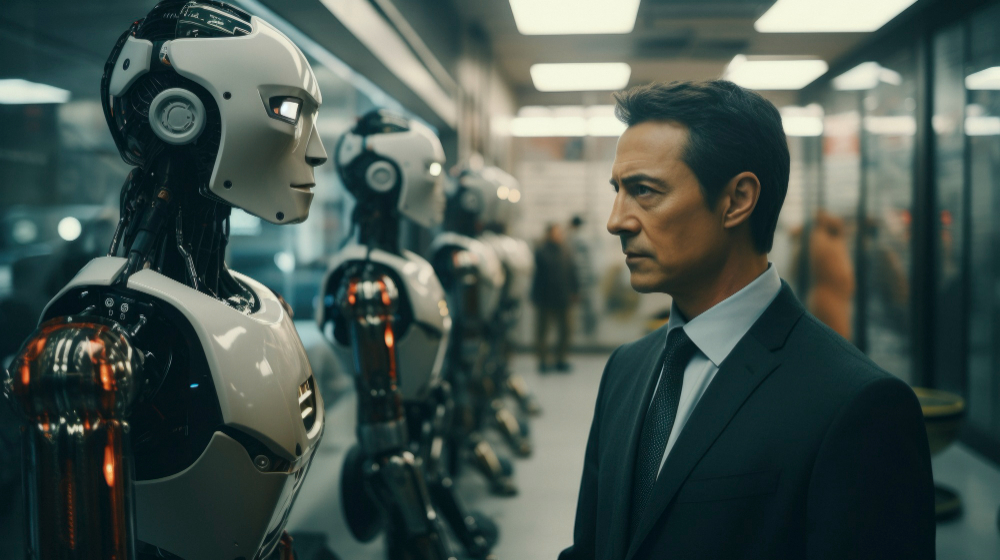
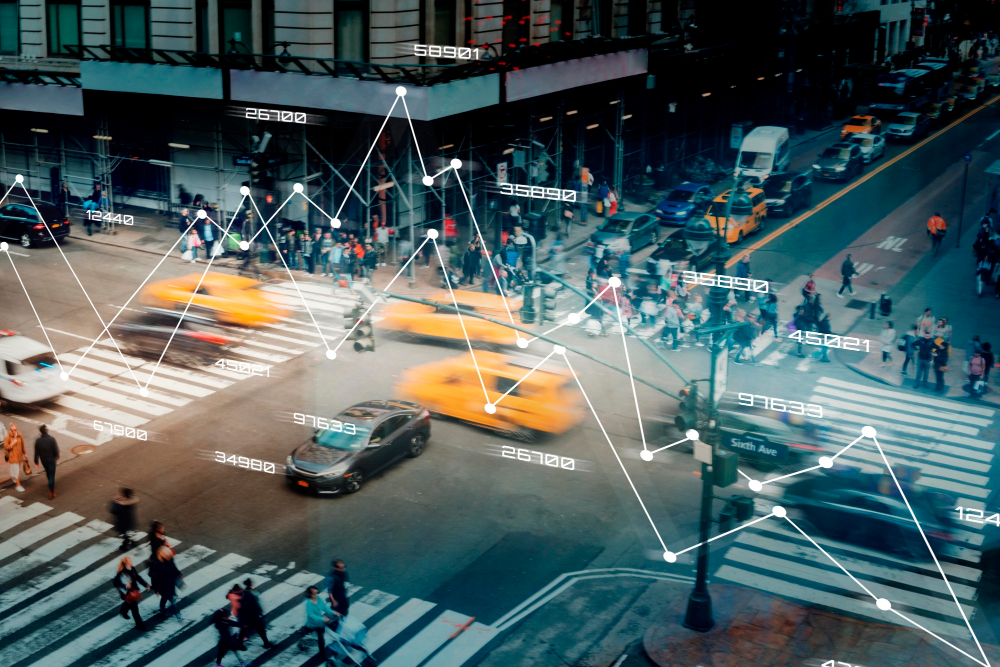
The digital landscape is evolving rapidly, and two technologies—Blockchain and Artificial Intelligence (AI)—are at the forefront of this transformation. As we move toward 2025 and beyond, the convergence of these technologies promises to reshape the internet, creating smarter, more secure, and decentralized platforms. From finance and healthcare to supply chains and content creation, the fusion of AI and blockchain is laying the foundation for a new era of the internet: the Future Internet.
Understanding Blockchain and AI
Blockchain is a decentralized ledger system that ensures transparency, security, and trust in digital transactions. It eliminates the need for intermediaries, allowing peer-to-peer exchanges that are immutable and verifiable.
Artificial Intelligence (AI) refers to systems that can learn, reason, and make decisions from data. AI powers everything from predictive analytics to natural language processing and autonomous decision-making.
When combined, blockchain and AI offer a synergy that enhances trust, intelligence, and automation in digital ecosystems.
How Blockchain Enhances AI
Blockchain can significantly improve AI systems in several ways:
- Data Security and Integrity
AI relies heavily on data. Blockchain ensures that data is immutable, transparent, and tamper-proof, providing a reliable foundation for AI algorithms. - Decentralized AI Models
Instead of relying on centralized servers, AI models can operate on a distributed blockchain network, reducing risks of data breaches and censorship. - Improved Data Sharing
Blockchain enables secure and traceable data sharing among multiple parties, allowing AI models to access diverse datasets without compromising privacy.
How AI Enhances Blockchain
Conversely, AI can improve blockchain functionality:
- Smart Contract Automation
AI can automate complex smart contracts, enabling dynamic execution based on real-time data. - Predictive Analytics for Security
AI algorithms can detect fraudulent activity and predict security threats on blockchain networks. - Optimized Consensus Mechanisms
AI can enhance blockchain efficiency by predicting network loads and optimizing consensus protocols for faster transactions.
Key Applications of the Blockchain-AI Fusion
1. Decentralized Finance (DeFi)
AI-powered predictive analytics combined with blockchain’s secure transactions allow DeFi platforms to:
- Assess credit risk
- Optimize investment strategies
- Automate lending and borrowing processes
Impact: More secure, efficient, and transparent financial systems.
2. Healthcare and Medical Research
Blockchain ensures patient data privacy while AI analyzes health records for insights:
- Predicting disease outbreaks
- Personalized treatment plans
- Streamlining clinical trials with verified data
Impact: Enhanced healthcare outcomes, patient trust, and faster medical research.
3. Supply Chain Management
Combining AI and blockchain optimizes supply chains:
- AI predicts demand and inventory needs
- Blockchain verifies product provenance and authenticity
- Smart contracts automate transactions between suppliers and retailers
Impact: Greater efficiency, transparency, and reduced fraud in supply chains.
4. Digital Identity and Security
AI-driven biometric authentication combined with blockchain-based identity systems:
- Provides secure, tamper-proof digital identities
- Prevents identity theft and fraud
- Enables seamless access to services without centralized databases
Impact: Safer, decentralized identity management for individuals and organizations.
5. Content Creation and Intellectual Property
Blockchain can verify ownership while AI assists in generating content:
- Automating royalties through smart contracts
- AI-generated art, music, and writing with verified attribution
- Preventing copyright infringement
Impact: Fair compensation for creators and secure distribution of digital content.
Benefits of Merging Blockchain and AI
- Enhanced Security: Blockchain ensures data integrity while AI detects anomalies and threats.
- Transparency and Trust: Decentralized systems reduce reliance on intermediaries and increase accountability.
- Efficiency and Automation: AI and blockchain together enable smart, self-executing processes.
- Data-Driven Innovation: Secure, diverse datasets enable AI to deliver better insights and solutions.
- Scalability: Distributed AI and blockchain systems support global, decentralized networks.
Challenges and Considerations
Despite its potential, merging blockchain and AI comes with challenges:
- Complexity: Integrating AI with blockchain requires advanced expertise.
- High Computational Costs: Both technologies demand significant computing power.
- Regulatory Uncertainty: Compliance with evolving data protection and financial regulations is critical.
- Interoperability Issues: Different blockchain networks and AI systems may not seamlessly integrate.
Careful planning, strategic implementation, and continuous innovation are key to overcoming these challenges.
5 FAQs About Blockchain and AI Integration
1. Can AI and blockchain operate independently?
Yes. Each technology has unique applications, but their integration enhances security, intelligence, and efficiency.
2. Which industries will benefit most from their combination?
Finance, healthcare, supply chain, cybersecurity, and digital content are leading industries.
3. Is this technology ready for mass adoption?
While adoption is increasing, large-scale deployment is still evolving, especially for decentralized AI networks.
4. How does blockchain protect AI data?
Blockchain provides a tamper-proof, transparent ledger, ensuring the integrity and traceability of data used by AI systems.
5. Will merging AI and blockchain replace traditional systems?
Not entirely. Instead, it complements existing systems by offering secure, automated, and intelligent enhancements.
Conclusion
The fusion of blockchain and AI is paving the way for the future internet—a decentralized, intelligent, and secure digital ecosystem. From finance and healthcare to supply chains and content creation, the synergy between these technologies is driving innovation, transparency, and efficiency.
Businesses and innovators that embrace this convergence early will be at the forefront of the digital revolution, shaping a world where data is secure, decisions are intelligent, and trust is embedded in every transaction.
The future internet is not just about connectivity—it’s about smart, decentralized, and AI-driven ecosystems, and blockchain and AI are leading the charge