






From Code to Creativity — How AI Is Powering the Next Tech Revolution
Artificial Intelligence (AI) is no longer confined to coding or data analysis. In 2025, AI is driving a tech revolution that spans creativity, innovation, and problem-solving across industries. From generating art and music to optimizing complex algorithms, AI is bridging the gap between technical precision and creative expression, reshaping how we work, innovate, and interact with technology.
AI in Software Development
AI has transformed software development from routine coding to intelligent problem-solving. Tools powered by AI assist developers in:
- Writing and debugging code: AI can generate code snippets, detect errors, and suggest improvements.
- Automating repetitive tasks: Developers save time by letting AI handle boilerplate code or repetitive testing.
- Predictive analytics in coding: AI predicts potential bugs or performance issues before they occur.
These advancements enable developers to focus on high-level architecture, innovation, and strategic thinking, accelerating software development cycles and reducing errors.
AI in Creative Industries
Beyond coding, AI is revolutionizing creative fields:
- Visual Arts: AI platforms generate artwork, design concepts, and creative visuals from text prompts.
- Music and Sound Design: AI tools compose original music, suggest harmonies, and enhance audio production.
- Writing and Content Creation: AI helps writers brainstorm ideas, draft articles, and even craft narratives for marketing or entertainment.
This convergence of AI and creativity allows artists, designers, and content creators to explore new possibilities while speeding up production and experimentation.
AI-Powered Innovation in Business
Businesses are leveraging AI not just for operational efficiency but to drive innovation:
- Product Development: AI predicts consumer preferences, suggests design improvements, and tests prototypes virtually.
- Marketing: Personalized recommendations and AI-generated campaigns improve engagement and ROI.
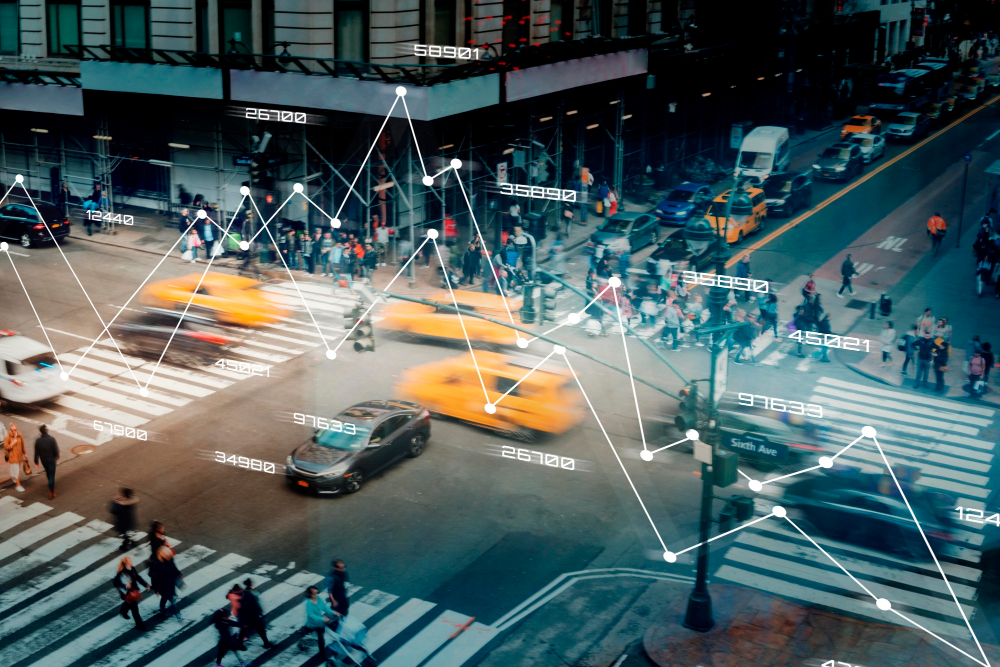
- Data-Driven Decisions: AI analyzes massive datasets to identify trends, forecast demand, and optimize strategy.
By combining analytical precision with creative insights, AI is enabling businesses to innovate faster and more effectively than ever before.
Bridging the Gap Between Humans and AI
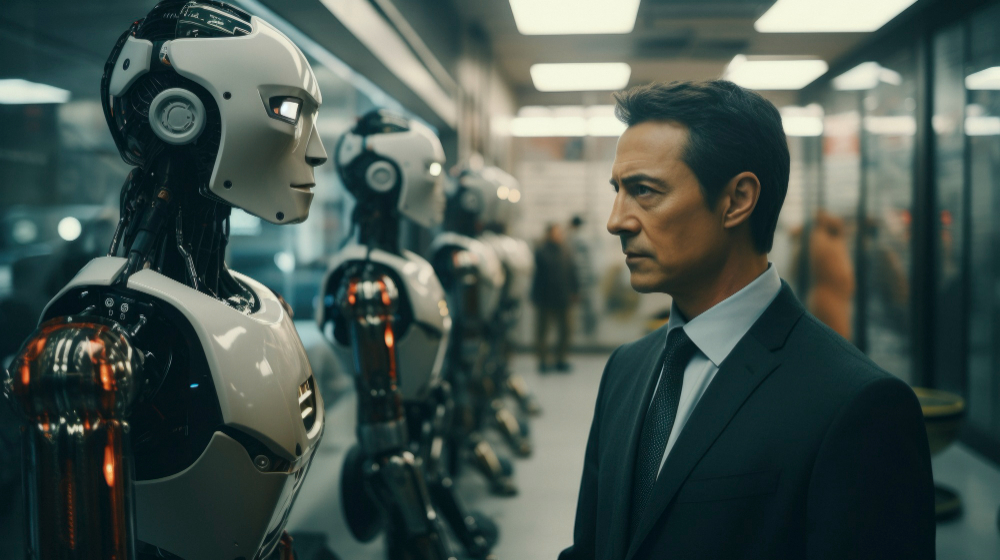
AI is enhancing human potential rather than replacing it. In 2025, the focus is on collaborative intelligence, where humans and AI work together:
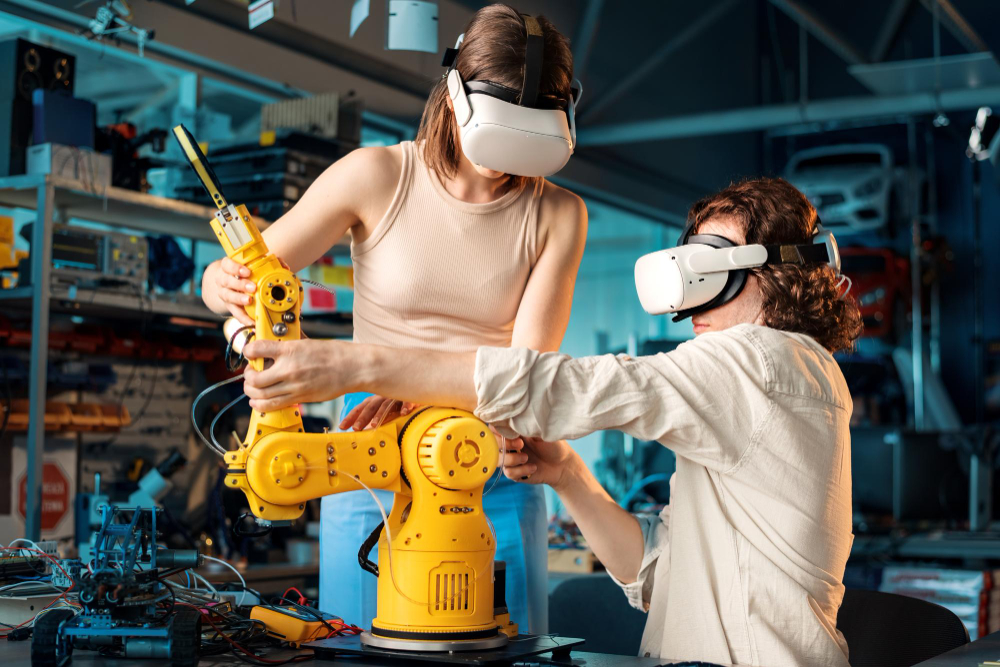
- Co-Creation: Artists, writers, and developers use AI as a creative partner.
- Decision Support: Professionals rely on AI to analyze complex data and propose solutions.
- Skill Augmentation: AI empowers employees to focus on problem-solving, strategic thinking, and innovative tasks.
This synergy fosters a new type of workforce, where creativity and technology intersect to solve complex challenges.
Key AI Tools Powering This Revolution
- ChatGPT & Jasper AI: For content generation, writing assistance, and brainstorming.
- DALL·E 3 & MidJourney: For AI-generated visuals, digital art, and creative design.
- GitHub Copilot & Replit: For coding assistance, debugging, and accelerating software development.
- Runway & Synthesia: For AI-powered video creation, editing, and multimedia content.
- AI Music Generators: Tools like Aiva or Soundraw compose music and audio for projects.
These tools are democratizing access to both coding and creative innovation, enabling individuals and businesses to push boundaries without requiring specialized expertise.
Benefits of AI in the Tech Revolution
- Increased Efficiency: Automates repetitive tasks and speeds up workflows.
- Enhanced Creativity: AI suggests novel ideas and design concepts.
- Better Decision-Making: AI analyzes complex data to provide actionable insights.
- Accessibility: AI tools make advanced tech and creative capabilities available to non-experts.
- Innovation Acceleration: Reduces development time for software, products, and creative projects.
Challenges and Considerations
While AI offers immense potential, businesses and creators must navigate challenges:
- Ethical AI Use: Ensuring AI outputs are fair, unbiased, and respectful of intellectual property.
- Data Privacy: Protecting sensitive information used in AI-driven processes.
- Over-Reliance on AI: Balancing human creativity with AI suggestions to maintain originality.
- Skill Gaps: Continuous learning is essential for employees to maximize AI’s potential.
Addressing these challenges ensures responsible and sustainable AI adoption.
5 FAQs About AI and the Next Tech Revolution
1. Can AI replace human creativity entirely?
No. AI enhances human creativity but cannot replicate human intuition, emotion, or originality.
2. What industries are most affected by AI creativity tools?
Technology, media, marketing, design, music, and entertainment sectors are experiencing significant AI-driven changes.
3. Do I need technical expertise to use AI for creative projects?
No. Many AI tools are user-friendly and designed for non-technical users, enabling broad accessibility.
4. How does AI improve software development?
AI assists with coding, debugging, testing, and predictive analytics, allowing developers to focus on innovation and problem-solving.
5. What is the future of human-AI collaboration?
Collaboration between humans and AI will continue to grow, with AI augmenting skills, enhancing creativity, and supporting strategic decision-making.
Conclusion
From coding to creativity, AI is powering the next tech revolution. By bridging analytical precision with creative exploration, AI is reshaping industries, workflows, and innovation strategies. In 2025, the future belongs to individuals and organizations that embrace AI as a collaborative partner—enhancing productivity, expanding creative potential, and accelerating technological progress.
By integrating AI into both technical and creative processes, we are witnessing a new era where technology empowers human ingenuity, pushing the boundaries of what is possible.