





5G, IoT, and AI — The Perfect Trio Driving Smart Innovation
The convergence of 5G, Internet of Things (IoT), and Artificial Intelligence (AI) is transforming the way businesses operate and societies function. These three technologies complement each other, creating a powerful ecosystem that enables real-time data processing, smart automation, and next-level connectivity. In 2025, this trio is not just shaping innovation—it’s driving the future of smart cities, industries, healthcare, and everyday life.
Understanding the Trio
1. 5G: Ultra-Fast Connectivity
5G is the fifth generation of mobile networks, offering:
- Extremely low latency
- High-speed data transfer
- Support for massive device connectivity
Impact: 5G provides the infrastructure needed for IoT devices and AI applications to communicate instantly and efficiently.
2. IoT: Connecting the Physical World
The Internet of Things refers to connected devices that collect, transmit, and exchange data. Examples include:
- Smart home devices (thermostats, lights, security cameras)
- Industrial sensors monitoring machinery
- Wearable health trackers
Impact: IoT generates vast amounts of real-time data, laying the foundation for intelligent decision-making.
3. AI: Intelligent Data Processing
Artificial Intelligence transforms raw IoT data into actionable insights. AI algorithms can:
- Detect patterns and predict outcomes
- Automate decision-making
- Enable personalized services
Impact: AI turns connectivity and data into smart, automated solutions that improve efficiency, safety, and user experience.
How 5G, IoT, and AI Work Together
The synergy of these technologies enables:
- Real-Time Data Processing
- 5G ensures low-latency communication
- IoT collects data continuously
- AI analyzes and reacts instantly
- Smart Automation
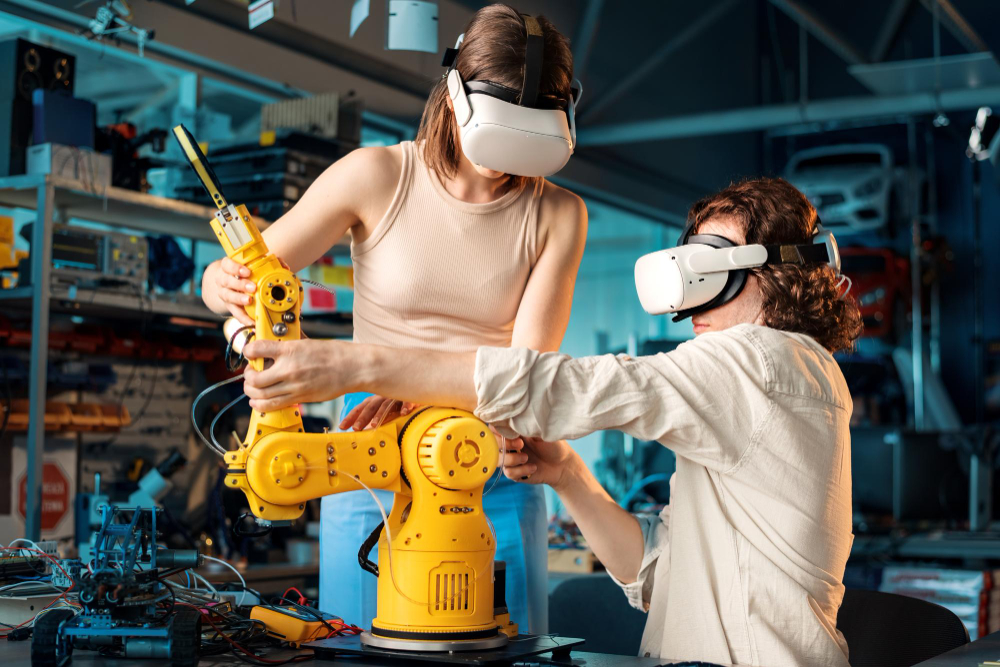
- Manufacturing robots adjust operations based on AI predictions
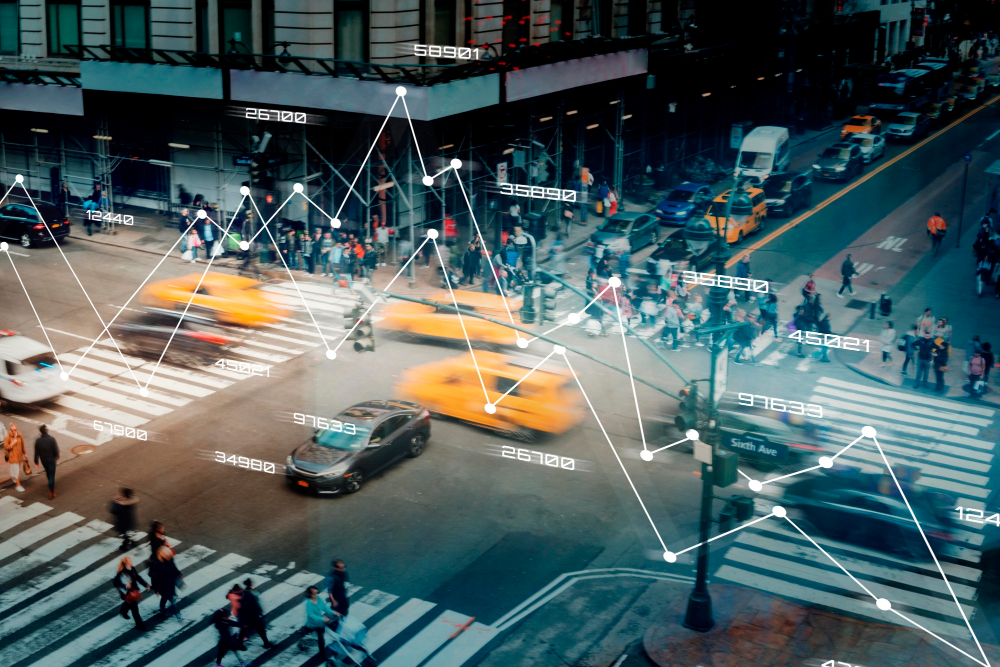
- Traffic systems optimize flow in smart cities using IoT sensors and AI
- Healthcare devices provide real-time monitoring and alerts
- Enhanced Connectivity and Scalability
- 5G supports millions of connected IoT devices simultaneously
- AI manages data streams efficiently
- Systems scale without sacrificing performance
Applications of the Trio
1. Smart Cities
- Traffic lights and parking systems controlled in real-time
- Environmental sensors monitor pollution and energy usage
- AI-driven predictive maintenance reduces infrastructure failures
Impact: Cities become safer, more efficient, and environmentally friendly.
2. Healthcare
- Wearables and IoT devices track patient vitals
- AI analyzes health trends and predicts potential issues
- 5G enables telemedicine with high-quality video and real-time data sharing
Impact: Improved patient care, remote monitoring, and proactive healthcare solutions.
3. Industry 4.0
- IoT sensors monitor machinery and supply chains
- AI predicts maintenance needs and optimizes production
- 5G ensures instant communication between devices and control systems
Impact: Reduced downtime, increased efficiency, and cost savings.
4. Retail and E-Commerce
- AI personalizes shopping experiences using IoT data
- Smart shelves and inventory management optimize stock levels
- 5G supports instant mobile payments and AR-based shopping experiences
Impact: Enhanced customer experience and operational efficiency.
5. Transportation and Logistics
- Connected vehicles share real-time data on routes, traffic, and hazards
- AI predicts demand, optimizes routes, and reduces fuel consumption
- 5G ensures seamless communication between vehicles, drones, and logistics centers
Impact: Safer, faster, and more efficient transportation systems.
Challenges to Consider
- Security Risks: More connected devices increase potential attack surfaces.
- Data Privacy: IoT devices generate sensitive personal data requiring robust protection.
- Infrastructure Costs: Deploying 5G networks and IoT systems requires significant investment.
- Complex Integration: Ensuring AI, IoT, and 5G work seamlessly together can be challenging.
Addressing these challenges with proper planning, encryption, and ethical AI implementation is crucial for sustainable innovation.
5 FAQs About 5G, IoT, and AI
1. How does 5G enhance AI and IoT applications?
5G provides ultra-fast, low-latency connectivity, enabling real-time data transmission and rapid AI processing for IoT devices.
2. Can small businesses leverage this technology trio?
Yes. Cloud-based AI, IoT-as-a-Service, and 5G-enabled networks make these technologies accessible without huge infrastructure investments.
3. What industries benefit most from combining 5G, IoT, and AI?
Healthcare, manufacturing, smart cities, retail, logistics, and energy sectors see the most immediate impact.
4. Are there privacy concerns with IoT devices?
Yes. Businesses must implement robust data protection, encryption, and comply with regulations like GDPR to ensure user privacy.
5. How soon will this technology trio become mainstream?
Many 5G networks, AI solutions, and IoT devices are already in use, and adoption is expected to accelerate rapidly in 2025 and beyond.
Conclusion
The combination of 5G, IoT, and AI is transforming industries and everyday life, creating a new era of smart innovation. By enabling real-time data processing, predictive insights, and automated decision-making, this trio drives efficiency, personalization, and sustainability.
Organizations and governments that embrace this technological synergy will gain a competitive advantage, build smarter systems, and deliver transformative solutions for society. The future is connected, intelligent, and powered by the perfect trio of 5G, IoT, and AI.