





Inside the AI Labs — The Future of Human and Machine Collaboration
Artificial Intelligence (AI) is no longer just a tool; it has become a collaborative partner in innovation, problem-solving, and creative processes. In 2025, AI labs around the world are pioneering new ways for humans and machines to work together, driving breakthroughs in industries ranging from healthcare and finance to art and education. Understanding this evolving collaboration is essential for businesses, researchers, and society as a whole.
The Concept of Human-Machine Collaboration
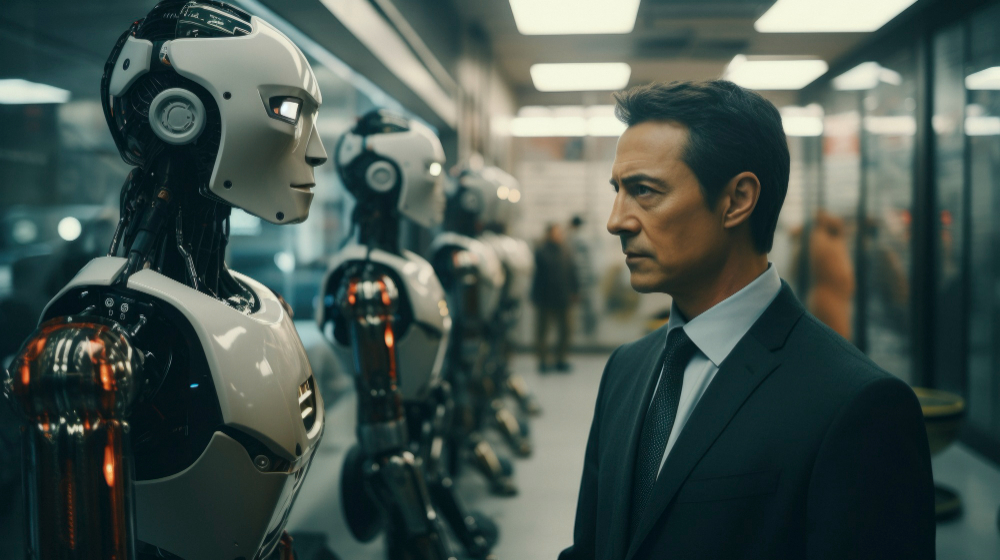
Human-machine collaboration refers to a working relationship where AI systems augment human capabilities, rather than replace them. Unlike traditional automation, which simply performs repetitive tasks, collaborative AI:
- Provides insights and recommendations
- Supports creative processes
- Learns and adapts to human behavior
- Enhances decision-making in complex scenarios
This collaboration creates a symbiotic environment where humans provide intuition and ethics, while machines contribute speed, accuracy, and data-driven insights.
How AI Labs are Driving Collaboration
AI labs are research centers dedicated to exploring advanced AI technologies and their applications. They focus on:
- Augmented Intelligence
- Developing AI systems that support human decision-making
- Enhancing analytical capabilities in finance, healthcare, and business
- Providing predictive insights while leaving ethical decisions to humans
- Robotics and Automation
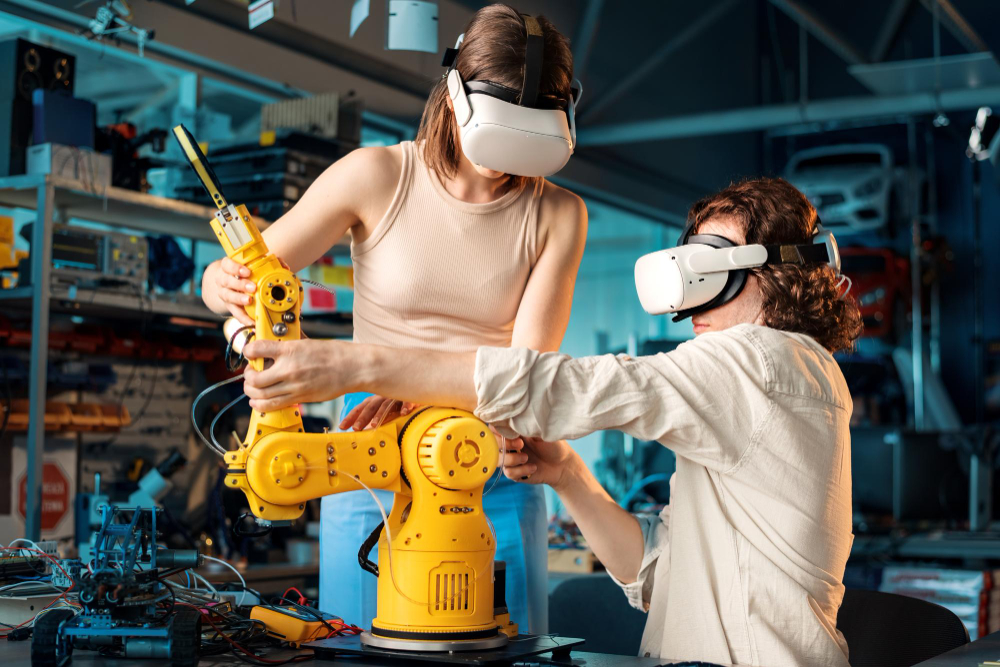
- Combining AI with robotics to assist humans in manufacturing, logistics, and daily tasks
- Collaborative robots (cobots) work safely alongside humans on assembly lines
- AI-enabled automation reduces repetitive work while humans focus on complex problem-solving
- Creative AI
- Using AI in art, music, design, and content creation
- AI generates drafts, concepts, or recommendations that humans refine and perfect
- Accelerates innovation in creative industries while preserving human intuition
- Human-Centered AI
- Developing AI systems that adapt to human needs, preferences, and behavior
- Ensuring AI decisions are interpretable, transparent, and aligned with human values
- Promotes trust and seamless integration in workplaces and society
Benefits of Human-AI Collaboration
1. Increased Productivity
AI handles repetitive, data-heavy tasks, allowing humans to focus on strategic thinking, creativity, and relationship building.
2. Better Decision-Making
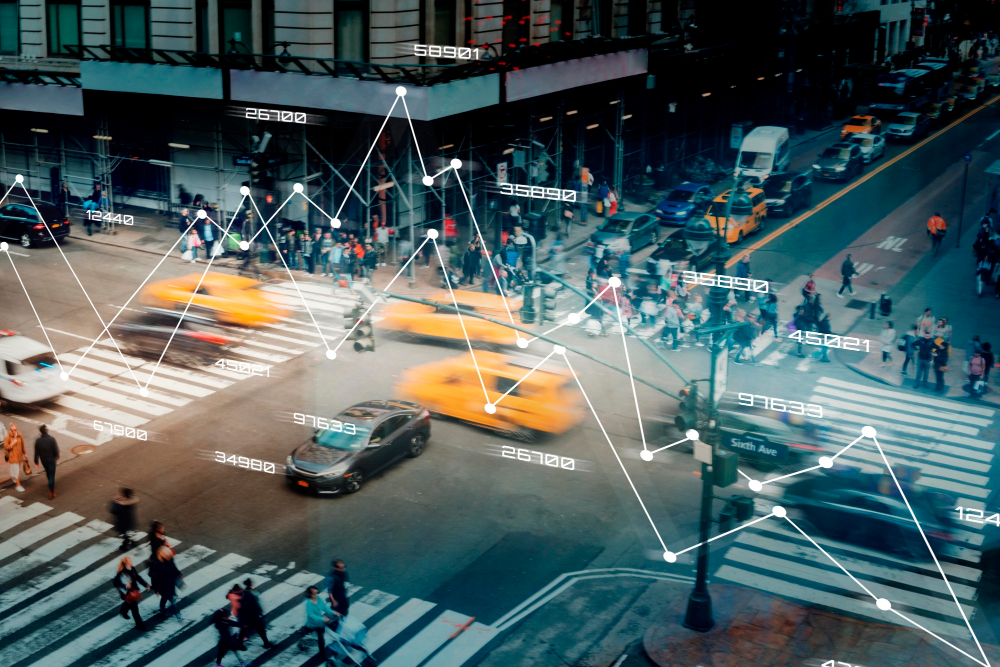
AI analyzes vast datasets quickly, highlighting insights and trends that humans might miss. Together, humans and machines make smarter, data-driven decisions.
3. Accelerated Innovation
AI accelerates research, design, and prototyping in industries like healthcare, aerospace, and software development.
4. Enhanced Personalization
AI can tailor experiences for customers, patients, and users while humans ensure empathy, context, and ethical considerations.
5. Continuous Learning
Human-AI collaboration enables machines to learn from human feedback, improving performance and adaptability over time.
Industries Transformed by Human-Machine Collaboration
1. Healthcare
- AI assists doctors with diagnostics, imaging analysis, and treatment recommendations
- Robots support surgery and patient care
- Result: Faster, more accurate medical care and improved patient outcomes
2. Finance
- AI models detect fraud, predict market trends, and optimize investment strategies
- Human analysts make ethical and strategic decisions based on AI insights
- Result: Smarter financial planning and reduced risk
3. Education
- AI tutors provide personalized learning experiences
- Educators guide students in critical thinking and problem-solving
- Result: Enhanced learning outcomes and engagement
4. Creative Industries
- AI generates design drafts, music compositions, and content ideas
- Artists and writers refine AI-generated material
- Result: Faster innovation and collaboration without replacing human creativity
5. Manufacturing and Logistics
- Collaborative robots (cobots) work alongside humans for assembly, packing, and transport
- AI predicts maintenance needs and optimizes workflows
- Result: Increased efficiency, safety, and reduced operational costs
Challenges in Human-AI Collaboration
- Trust and Transparency: Humans need to understand AI decisions to rely on them.
- Skill Gaps: Workers require training to interact effectively with AI systems.
- Bias and Ethics: AI can inherit biases from data, impacting fairness and outcomes.
- Integration Complexity: Combining AI with existing workflows requires careful planning.
Addressing these challenges ensures AI collaboration is effective, ethical, and productive.
5 FAQs About Human-AI Collaboration
1. Will AI replace human jobs in collaborative environments?
No. Collaborative AI enhances human work by automating repetitive tasks and providing insights, allowing humans to focus on creativity, strategy, and problem-solving.
2. How do humans benefit from AI in decision-making?
AI analyzes large datasets, detects patterns, and provides predictions, enabling humans to make more informed, data-driven decisions.
3. What industries benefit most from human-AI collaboration?
Healthcare, finance, education, creative industries, and manufacturing are leading sectors, but nearly every industry can benefit.
4. How can organizations implement collaborative AI effectively?
Start by identifying areas where AI complements human skills, train employees, and integrate AI gradually into workflows.
5. What ethical considerations are important in human-AI collaboration?
Ensuring transparency, avoiding bias, protecting privacy, and maintaining human oversight are essential for ethical AI collaboration.
Conclusion
The future of work and innovation lies in human-machine collaboration. AI labs worldwide are demonstrating that when humans and machines work together, productivity, creativity, and decision-making are amplified. By combining human intuition, ethics, and creativity with AI’s speed, accuracy, and analytical power, industries can achieve breakthroughs previously thought impossible.
In 2025 and beyond, organizations that embrace human-AI collaboration will not only drive innovation but also build a future where technology complements human potential, creating smarter, more efficient, and ethical workplaces and societies.