






Cybersecurity in the Age of AI — Challenges and Solutions
Artificial Intelligence (AI) is revolutionizing industries worldwide, enhancing efficiency, personalization, and automation. However, the same technologies that empower businesses also introduce new cybersecurity risks. In the age of AI, organizations must rethink how they protect sensitive data, networks, and digital assets. Cybersecurity is no longer just a defensive measure—it is a strategic imperative for survival in a rapidly evolving digital landscape.
How AI is Changing Cybersecurity
AI affects cybersecurity in two significant ways:
- AI as a Security Tool
- AI algorithms can detect anomalies and identify threats faster than traditional systems.
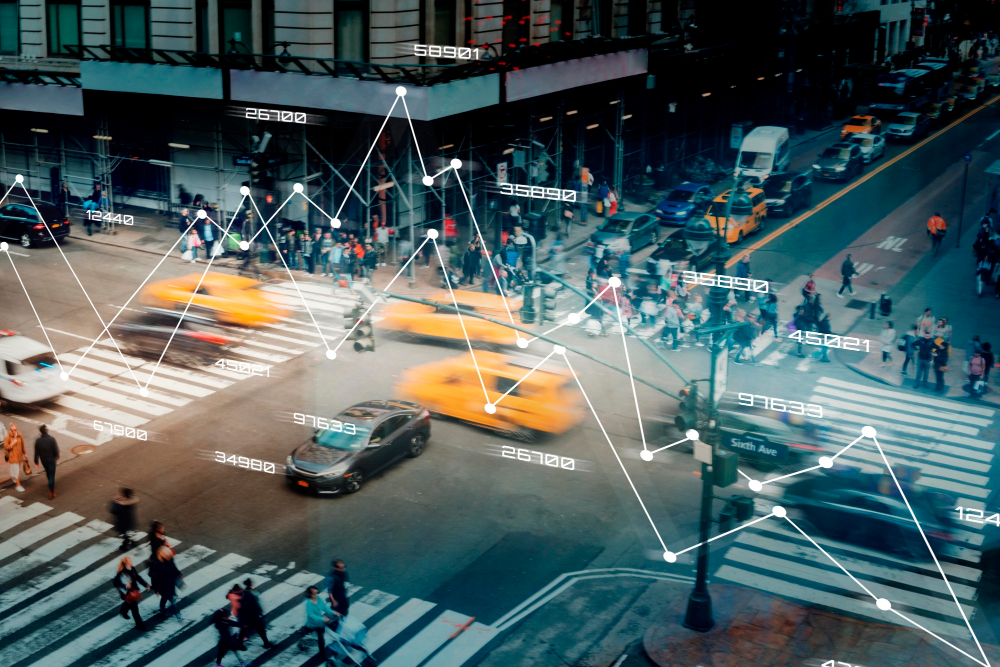
- Machine learning models analyze network traffic to predict potential cyberattacks.
- AI-powered automation enables real-time response to incidents.
- AI as a Threat Vector
- Cybercriminals use AI to launch sophisticated attacks, such as deepfake phishing, automated malware, and AI-driven social engineering.
- AI can bypass traditional security protocols by adapting in real-time.
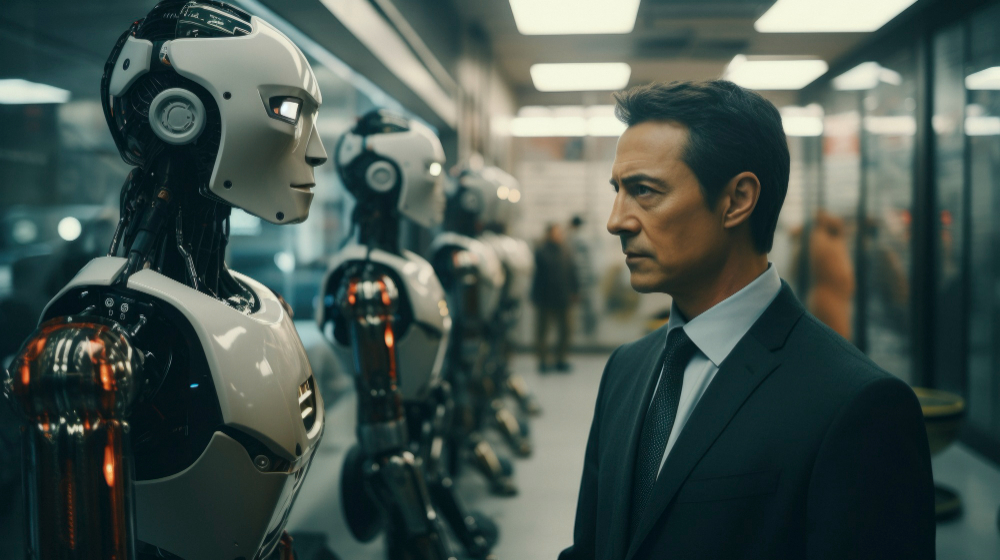
The dual nature of AI makes it both a solution and a challenge in cybersecurity.
Key Cybersecurity Challenges in the AI Era
1. Sophisticated Threats
AI enables attackers to:
- Create highly targeted phishing attacks using personal data
- Deploy malware that adapts to security defenses
- Launch large-scale automated attacks with speed and precision
Impact: Traditional security measures struggle to keep up with these evolving threats.
2. Data Privacy Concerns
AI systems require massive datasets to function effectively. This raises concerns about:
- Unauthorized data access
- Breaches of sensitive personal or financial information
- Compliance with regulations like GDPR and CCPA
Impact: Companies must balance AI capabilities with robust data privacy measures.
3. Insider Threats
Employees with access to AI systems can inadvertently or maliciously compromise security.
Impact: Insider threats remain one of the hardest risks to mitigate without proper monitoring and access control.
4. AI Model Vulnerabilities
AI models themselves can be attacked or manipulated, leading to inaccurate predictions, data leaks, or operational failures.
Impact: Organizations risk compromised decisions and loss of trust in AI-driven systems.
Solutions to Strengthen Cybersecurity with AI
1. AI-Powered Threat Detection
Using AI to detect anomalies and predict attacks is crucial. Features include:
- Behavior-based detection
- Automated response to suspicious activity
- Continuous learning from new threats
Impact: Faster, more accurate threat identification and reduced response times.
2. Advanced Encryption and Data Protection
Securing AI datasets is essential:
- End-to-end encryption for stored and transmitted data
- Secure multi-party computation for collaborative AI models
- Tokenization and anonymization to protect sensitive information
Impact: Enhanced privacy and reduced risk of data breaches.
3. Zero Trust Security Models
Adopting a Zero Trust approach ensures that no user or device is automatically trusted.
- Continuous authentication and verification
- Least-privilege access control
- AI-driven monitoring for unusual behavior
Impact: Minimizes insider threats and limits potential attack surfaces.
4. Regular Audits and AI Model Testing
- Test AI models against adversarial attacks
- Conduct security audits for vulnerabilities in AI pipelines
- Implement AI governance policies for ethical and safe usage
Impact: Ensures AI systems remain reliable and secure over time.
5. Employee Training and Awareness
Human error remains a top cybersecurity risk:
- Train staff on AI-related cybersecurity threats
- Promote awareness of phishing, social engineering, and data handling best practices
- Encourage reporting of suspicious activity
Impact: Reduces risk of insider threats and enhances organizational security culture.
5 FAQs About Cybersecurity in the AI Era
1. Can AI completely replace human cybersecurity experts?
No. AI enhances threat detection and response but human expertise is crucial for strategy, ethical decisions, and complex problem-solving.
2. How does AI make cyberattacks more dangerous?
AI allows attackers to automate attacks, adapt in real-time, and target individuals or organizations with unprecedented precision.
3. Are AI-driven cybersecurity solutions expensive?
While initial costs can be high, cloud-based AI security platforms and AI-as-a-Service offerings make them more accessible for businesses of all sizes.
4. How can businesses protect AI models from attacks?
Through adversarial testing, encryption, access control, and continuous monitoring.
5. What role does employee training play in AI cybersecurity?
Employees are often the weakest link. Training ensures they recognize threats, follow protocols, and support AI-driven security measures.
Conclusion
The age of AI presents both unprecedented opportunities and new cybersecurity challenges. While AI empowers organizations to operate smarter, faster, and more efficiently, it also opens doors for sophisticated attacks and data vulnerabilities.
Businesses must adopt a multi-layered approach, combining AI-powered threat detection, robust data protection, employee training, and ethical governance. Organizations that proactively integrate AI into their cybersecurity strategies will not only mitigate risks but also gain a competitive advantage, building trust with customers and stakeholders in an increasingly digital world.
In the AI era, cybersecurity is not just a defensive measure—it is a strategic enabler for safe, intelligent, and innovative growth.