





5 Futuristic Technologies That Will Shape Our Digital Lives
The digital world is evolving at an unprecedented pace. In 2025, emerging technologies are set to transform the way we live, work, and interact with the world. From artificial intelligence to quantum computing, these futuristic technologies promise to enhance efficiency, connectivity, and creativity in every aspect of our lives. Here are five key technologies shaping our digital future.
1. Artificial Intelligence and Machine Learning
Artificial Intelligence (AI) and Machine Learning (ML) are no longer optional—they are central to digital transformation. AI enables systems to learn, adapt, and make intelligent decisions, enhancing both personal and business experiences.
Key Applications:
- Personalized recommendations in e-commerce and streaming platforms
- AI-powered virtual assistants for work and home automation
- Predictive analytics in healthcare, finance, and logistics
Impact: AI and ML improve productivity, automate routine tasks, and create smarter, more personalized digital experiences.
2. Quantum Computing
Quantum computing is set to revolutionize processing power. Unlike classical computers, quantum systems use qubits, allowing them to perform complex calculations exponentially faster.
Key Applications:
- Advanced simulations for drug discovery and climate modeling
- Optimizing financial portfolios and risk analysis
- Accelerating machine learning model training
Impact: Quantum computing will enable solutions to problems that were previously unsolvable, transforming industries from healthcare to finance.
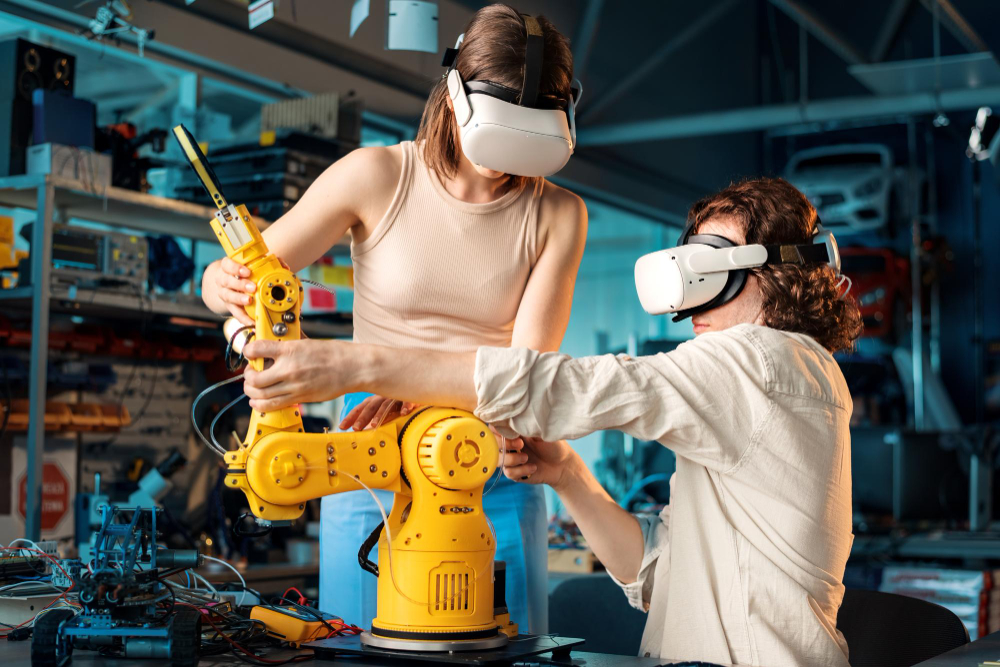
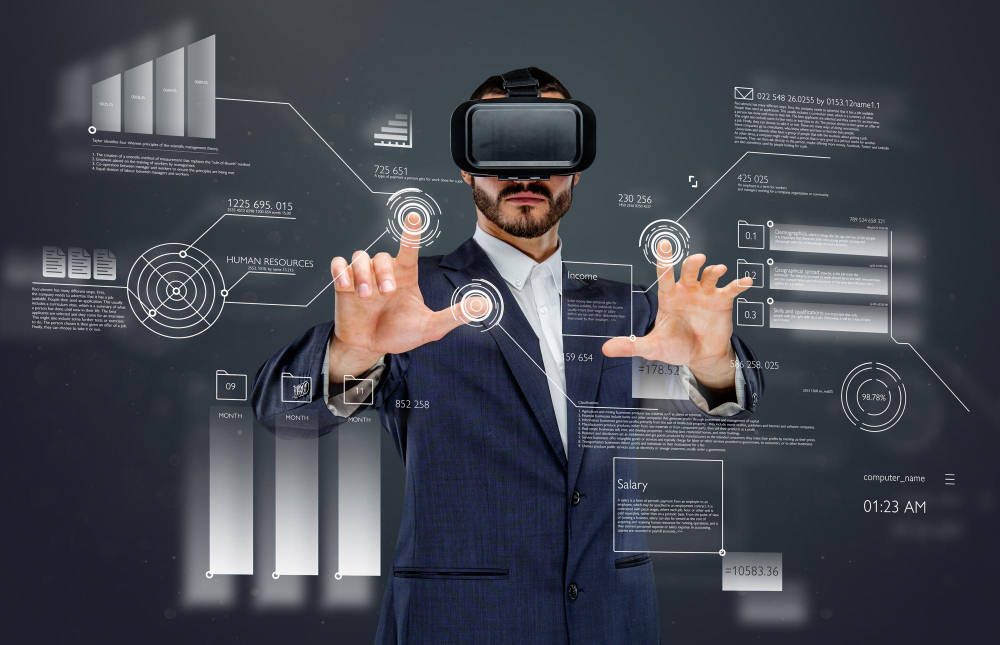
3. Extended Reality (AR and VR)
Augmented Reality (AR) and Virtual Reality (VR) are bridging the gap between digital and physical worlds. These immersive technologies are reshaping entertainment, education, and business interactions.
Key Applications:
- Virtual classrooms and training simulations
- Immersive gaming and entertainment experiences
- AR-assisted shopping and interior design visualization
Impact: AR and VR enhance learning, collaboration, and creativity while providing highly engaging digital experiences.
4. Internet of Things (IoT) and Smart Devices
The Internet of Things (IoT) connects everyday objects to the internet, enabling intelligent automation and seamless communication between devices.
Key Applications:
- Smart homes with connected appliances and security systems
- Wearable health trackers monitoring vital signs in real-time
- Industrial IoT optimizing manufacturing processes and supply chains
Impact: IoT improves convenience, efficiency, and real-time data-driven decision-making in personal and professional settings.
5. Blockchain and Decentralized Systems
Blockchain technology is more than cryptocurrency—it’s revolutionizing data security, transparency, and digital trust. Decentralized systems eliminate the need for intermediaries, ensuring secure and verifiable transactions.
Key Applications:
- Secure digital identity management
- Transparent supply chain tracking
- Decentralized finance (DeFi) platforms and smart contracts
Impact: Blockchain enhances security, accountability, and efficiency, creating a more trustworthy digital ecosystem.
The Combined Impact of These Technologies
When combined, these technologies create a synergistic digital ecosystem:
- AI and IoT enable intelligent, responsive environments.
- Quantum computing accelerates AI and blockchain processes.
- AR/VR and AI create highly immersive and personalized experiences.
- Blockchain ensures secure and transparent interactions across platforms.
Together, they are shaping a future where technology seamlessly integrates into our daily lives, enhancing productivity, creativity, and connectivity.
Challenges and Considerations
While these technologies are transformative, they also present challenges:
- Privacy Concerns: Increased connectivity and data collection require robust security measures.
- Skill Gaps: Adapting to these technologies demands continuous learning and upskilling.
- Ethical Considerations: AI and blockchain must be used responsibly to prevent misuse.
- Cost of Implementation: Cutting-edge technology can be expensive initially, especially for small businesses or individuals.
Addressing these challenges is essential for sustainable and responsible adoption of futuristic technologies.
5 FAQs About Futuristic Technologies
1. Which technology will have the most immediate impact on daily life?
AI and IoT are already integrated into daily life through smart devices, virtual assistants, and personalized services.
2. Are quantum computers available for everyday use?
Not yet. Quantum computing is mostly used in research and enterprise-level applications, but its influence will grow in the coming years.
3. How will AR and VR affect education?
AR and VR enable immersive learning experiences, virtual labs, and interactive simulations, making education more engaging and accessible.
4. Is blockchain only useful for cryptocurrencies?
No. Blockchain has applications in supply chains, healthcare, digital identity, and finance, offering secure and transparent systems.
5. How can businesses prepare for these futuristic technologies?
Businesses should invest in technology adoption, upskill employees, explore pilot projects, and stay informed about emerging trends.
Conclusion
The digital landscape of 2025 is being shaped by AI, quantum computing, AR/VR, IoT, and blockchain. These technologies are not only enhancing productivity and creativity but also transforming how we live, work, and interact with the world.
By embracing these innovations responsibly, individuals and businesses can stay ahead of the curve, creating smarter, more connected, and secure digital experiences. The future is now, and these five technologies are leading the way toward a fully integrated digital world.